
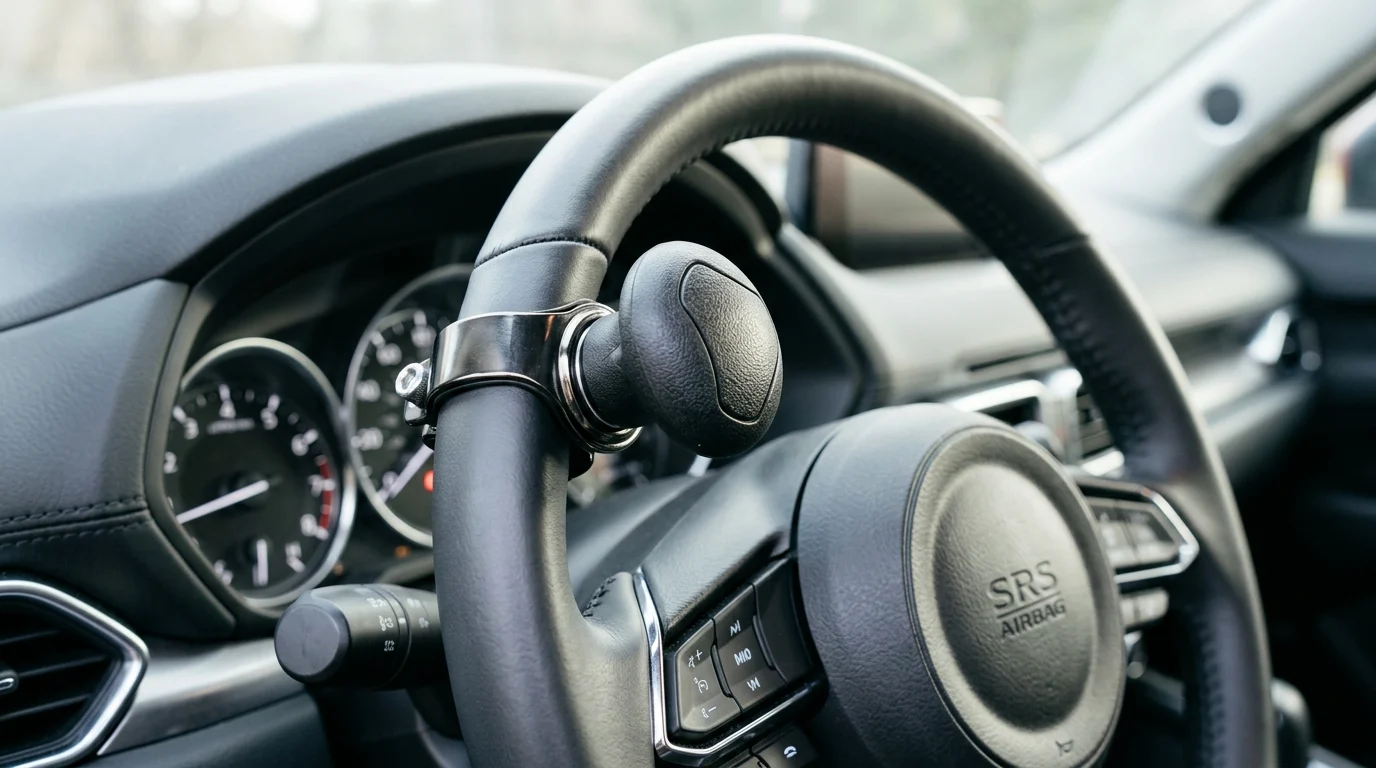
Vintage tractors have character, but their steering can turn a simple chore into a shoulder workout. Before power assist became common, operators often dealt with large 18- to 22-inch wheels, multiple lock-to-lock turns, and steering forces that could reach 30 to 50 pounds. A steering wheel spinner offers a practical upgrade: it improves leverage, supports smoother one-handed control, and adds period-correct visual appeal for working tractors and show machines alike. This guide explains why the accessory matters, where it helps most in the field, what features separate a durable farm-ready spinner from a flimsy add-on, and what safety limits every operator should respect.
Why Steering Wheel Spinners Matter for Vintage Tractors
Classic farm tractors are a joy to own, but their manual steering systems require serious muscle. Before power steering became standard, driving a tractor meant wrestling with the wheel all day, often requiring 30 to 50 pounds of force for a simple turn. Adding a steering wheel spinner—often called a “suicide knob” or “Brodie knob”—not only gives your vintage rig a sharp, eye-catching look that turns heads at tractor shows, but it also makes driving much easier. By giving you better leverage, this simple upgrade breathes new life into older tractors, making them practical and comfortable for daily chores.
Low-Speed Field Work Challenges
Slow-moving jobs like plowing, cultivating, and loader work require constant steering adjustments. Operators often wrestle with large steering wheels—sometimes 18 to 22 inches across—cranking them 4 to 6 full lock-to-lock rotations just to turn around at the end of a row. Without hydraulic power assist, every rock, rut, and furrow fights back, sending jolts straight into your hands. Maneuvering heavy implements (often exceeding 1,000 lbs) at low speeds (2–5 mph) under these conditions is exhausting and makes it hard to steer accurately during long 8- to 10-hour days in the field.
Benefits for Steering Control
A steering wheel spinner changes how you handle your tractor. Instead of pulling the wheel hand-over-hand, the spinner gives you an off-center pivot point, reducing perceived steering effort by up to 30–40% and letting you steer smoothly with one hand. This frees up your other hand to work hydraulic levers, PTO controls, or the throttle. Over a long shift, this saves your hands, wrists, and shoulders from serious fatigue.
Important Safety Caveats:
- Entanglement: Spinners can catch loose clothing or snag on low-hanging branches if you are driving an open-station tractor.
- Kickback: If a front tire hits a rock or stump and the wheel spins freely, the protruding knob can strike your arm or hand with 50+ foot-pounds of sudden force.
- Legality: Always check local rules, as steering spinners are restricted for on-road use (typically at speeds over 15–20 mph) in some jurisdictions.
Key Features of a Vintage Tractor Steering Wheel Spinner
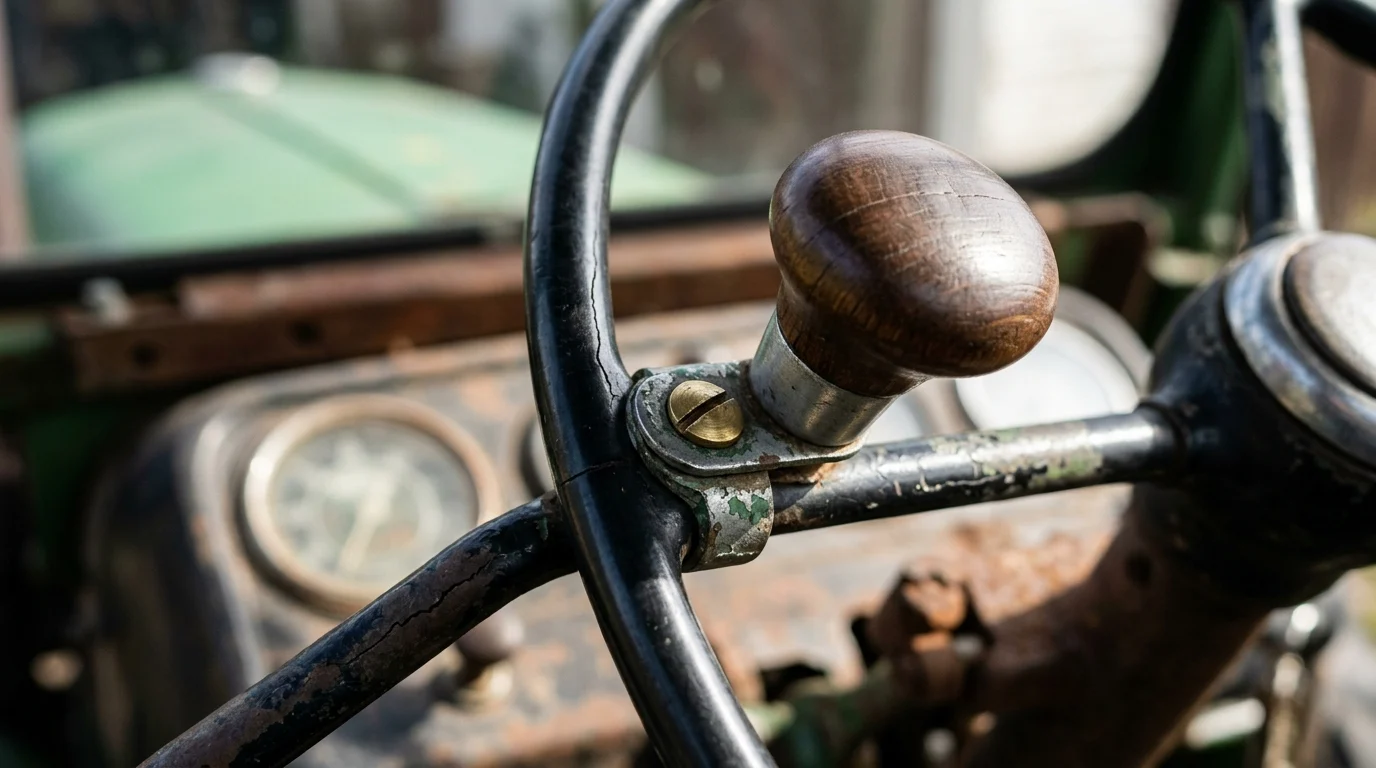
Today’s aftermarket spinners designed for farm machinery offer a great mix of practical help and classic style. Unlike standard car spinners, agricultural versions are built tough to handle heavy loads and rough weather. A good vintage tractor spinner won’t bend or break under 50 to 100 pounds of lateral pressure. The knob itself usually measures 2.5 to 3 inches across and weighs between 0.5 and 1.2 pounds, giving you plenty to grab onto, even when wearing thick leather work gloves.
Labor-Saving Turning Support
The secret to a good spinner is inside the knob. High-quality versions use sealed, self-lubricating ball bearings (often ABEC-1 or ABEC-3 rated) to keep things spinning smoothly, even when you are pushing hard on the wheel. This design cuts down on friction during tight turns and helps absorb the vibrations coming up through the steering column.
| Performance Metric | Standard Manual Steering | Spinner-Assisted Steering |
|---|---|---|
| Lock-to-Lock Turn Time | 6–8 seconds (hand-over-hand) | 3–5 seconds (continuous) |
| Peak Operator Force | 30–50 lbs | 15–25 lbs (via leverage) |
| Hand Travel Distance | 100+ inches per full turn | ~10 inches (pivot radius) |
| Fatigue Reduction | Baseline | 30–40% less strain |
Durable Materials and Retro Styling
Farm equipment lives outside, so durability is a must. Quality spinners are made from tough materials like die-cast zinc alloys (such as ZAMAK 3), UV-resistant plastics rated for 5–10+ years of sun exposure, and 304 stainless steel hardware. These parts stand up to sun, rain, and fertilizer dust without falling apart. Just as importantly, they look the part. With finishes like polished chrome, classic bakelite-style knobs, or wood-grain textures, these spinners dress up your tractor. They add a touch of retro style that turns heads at shows while keeping the historical look of your cab or open station intact.
How to Choose, Install, and Maintain One
Buying and installing the right steering wheel spinner comes down to matching the hardware to your specific tractor. A loose clamp can slip and cause an accident, while poor maintenance can ruin the bearings. Most farm-grade spinners fit a variety of steering wheels (typically accommodating 0.75- to 1.25-inch grip diameters), but choosing the right hardware ensures the spinner works safely with your classic machine.
Selection Points for Standard Tractor Wheels
When shopping for a spinner, look for a mount that bolts on securely without needing custom modifications. While many clamps claim to be “universal,” they might not fit every vintage wheel. Check your wheel’s grip thickness, overall diameter, and shape (like oval or ribbed designs). The best clamps use a split-bracket design with a 2mm to 3mm rubber or neoprene shim inside. This shim is crucial: it protects the fragile, aging plastic or wood of a vintage steering wheel from getting scratched or cracked, and it provides the grip needed to keep the spinner from slipping under a heavy load.
Installation and Maintenance Tips
When installing the spinner, tighten the bolts carefully. Snug them down to roughly 15 to 20 inch-pounds of torque to hold the bracket firm, but don’t overtighten, or you risk crushing the old, brittle wheel rim. Check the bolts regularly—ideally when you do your 50- to 100-hour grease and oil checks—because tractor vibrations can easily rattle them loose. Keep the spinner clean by wiping away mud and dust so dirt doesn’t grind into the bearings, but avoid harsh spray solvents that might wash away the factory grease inside. Also, never use the spinner as a grab handle to pull yourself up onto the tractor, as this will break the internal parts.
Quick Buyer & Maintenance Checklist:
- Select: Match the clamp size (0.75″–1.25″ diameter) to your specific wheel rim and choose period-correct materials.
Key Takeaways
- Add a steering wheel spinner if your vintage tractor requires heavy manual steering during low-speed jobs like plowing, cultivating, or loader work.
- Choose an agricultural-grade spinner that can handle 50–100 pounds of lateral pressure rather than a lighter car-style accessory.
- Look for a 2.5- to 3-inch knob with sealed ball bearings so it turns smoothly even when used with thick work gloves.
- Use the spinner mainly for low-speed field maneuvering, where tractors often move at 2–5 mph and require frequent steering corrections.
- Check local road-use rules and stay alert for kickback, clothing entanglement, and branch snags before installing or operating a spinner.
Frequently Asked Questions
What does a steering wheel spinner do on a vintage tractor?
It adds an off-center grip point so you can turn the wheel with less hand-over-hand effort, especially during slow field work, loader use, and tight maneuvering.
How much easier can steering feel with a spinner knob?
A good tractor steering wheel spinner can reduce perceived steering effort by up to 30–40%, depending on tractor condition, tire load, terrain, and steering system wear.
Is a tractor steering wheel spinner useful for long workdays?
Yes. On 8- to 10-hour field days, a spinner can reduce strain on your hands, wrists, and shoulders while keeping one hand free for throttle, hydraulic, or PTO controls.
What size spinner knob works best for farm tractors?
Many agricultural spinners use a knob about 2.5 to 3 inches across, large enough to grip comfortably with work gloves while still fitting most vintage tractor steering wheels.
Are steering wheel spinners safe for tractors?
They can be helpful, but use caution. Spinners may catch loose clothing, snag branches, or kick back sharply if a front tire strikes a rock, stump, or rut.