Ford Ranger PK Towing Mirror Fitment
Confirm Compatibility for 2009–2011 Ford Ranger
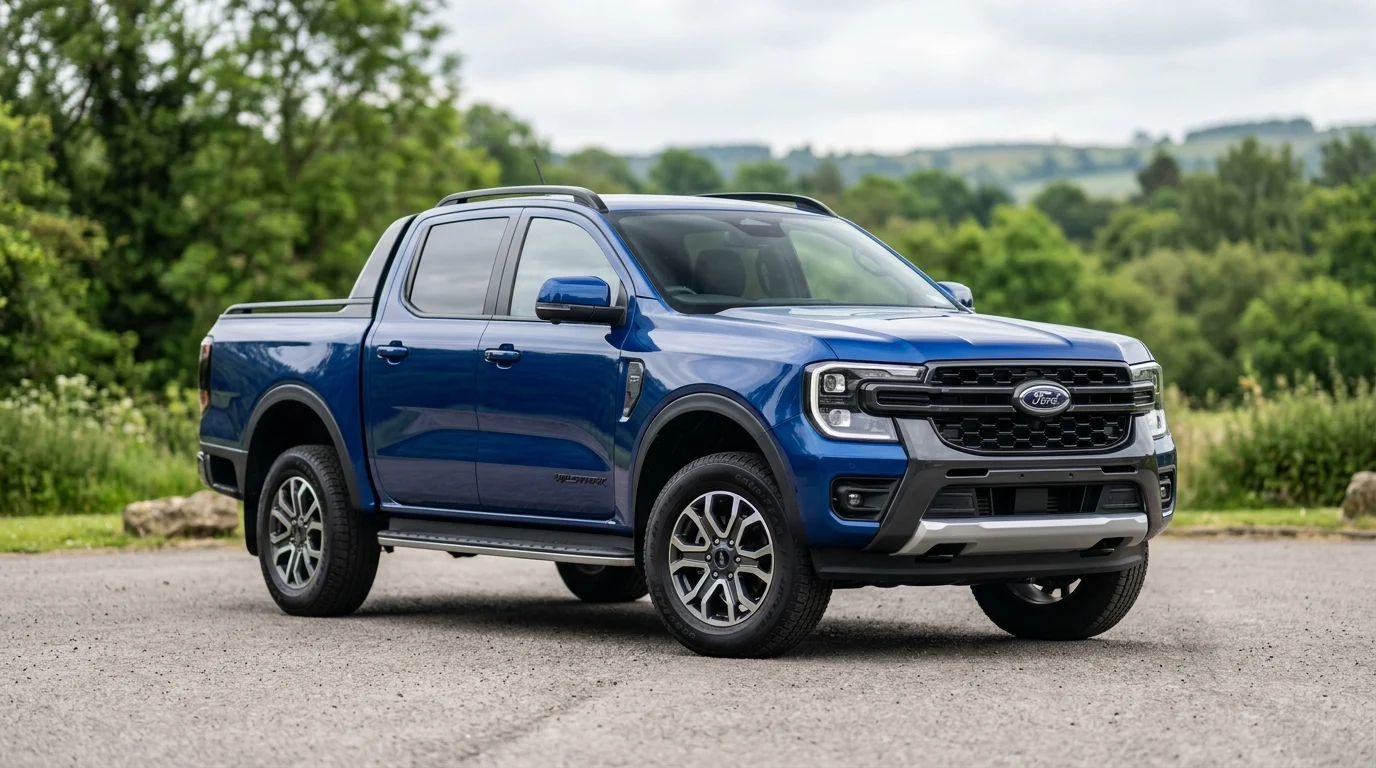
Upgrading the mirror system begins with verifying precise fitment for the PK generation Ford Ranger manufactured between 2009 and 2011. Fortunately, the mounting architecture is highly standardized across this platform. These towing units bolt seamlessly onto single, super, and dual cab body styles. Furthermore, due to platform sharing, they offer broad cross-compatibility with the earlier PJ generation (2006–2009) and the equivalent Mazda BT-50 models of the same era.
To ensure seamless integration with the vehicle’s electrical system, buyers should verify the pin configuration; most direct-replacement units utilize a standard 3-pin or 5-pin connector. It is also important to check whether the factory mirrors include heating elements or integrated turn-signal indicators, as this dictates the required replacement model. For Rangers already equipped with power mirrors, matching the pin count allows the factory cabin switches to control the new units without requiring custom wiring harnesses or aftermarket relays. However, buyers must note that base XL single-cab variants often feature manual (non-electric) mirrors and lack door wiring harnesses entirely. Upgrading these specific trims to electric mirrors is not a simple plug-and-play process and requires custom electrical routing. Always verify the correct factory replacement type before purchase to ensure full compatibility.
Compare Black Extendable Towing Mirrors
Beyond basic fitment, the external finish and mechanical extension capabilities are critical for demanding environments. A textured black ABS finish is highly recommended for commercial use. Unlike chrome or color-matched housings, this textured surface is highly scratch-resistant, effectively hiding minor scuffs from worksite debris or dense brush. It also offers lower replacement costs and better UV stability compared to painted housings.
The primary advantage of these units is their extendable mechanism. By utilizing a heavy-duty manual slide, the mirror head extends outward to significantly improve rearward vision. Because this slide is manual, the driver must exit the vehicle to adjust the extension—a task that carries inherent risks on high-speed roads or active worksites. Adjustments should always be made in a safe, stationary location. This mechanical design eliminates the failure points associated with motorized extensions and remains firmly locked in place even against high crosswinds at typical highway speeds. Drivers should also note that extended mirrors increase the overall vehicle width and aerodynamic drag. Crucially, extending the mirrors may breach maximum-width limits or require marker flags on public roads in some jurisdictions. Consequently, mirrors should always be pushed back inward when not towing to ensure legal compliance, safe garage clearance, and reduced drag.
| Feature | Standard Factory Mirror | Extendable Towing Mirror |
|---|---|---|
| Extension Range | Fixed | Substantial outward manual slide |
| Glass Configuration | Single flat pane | Dual glass (Flat upper, Convex lower) |
| Housing Finish | Painted / Smooth Plastic | Scratch-resistant textured black ABS |
| Electrical Hookup | 3-5 pin factory plug | 3-5 pin factory plug (Plug-and-play on pre-wired models) |
Durability and Towing Visibility
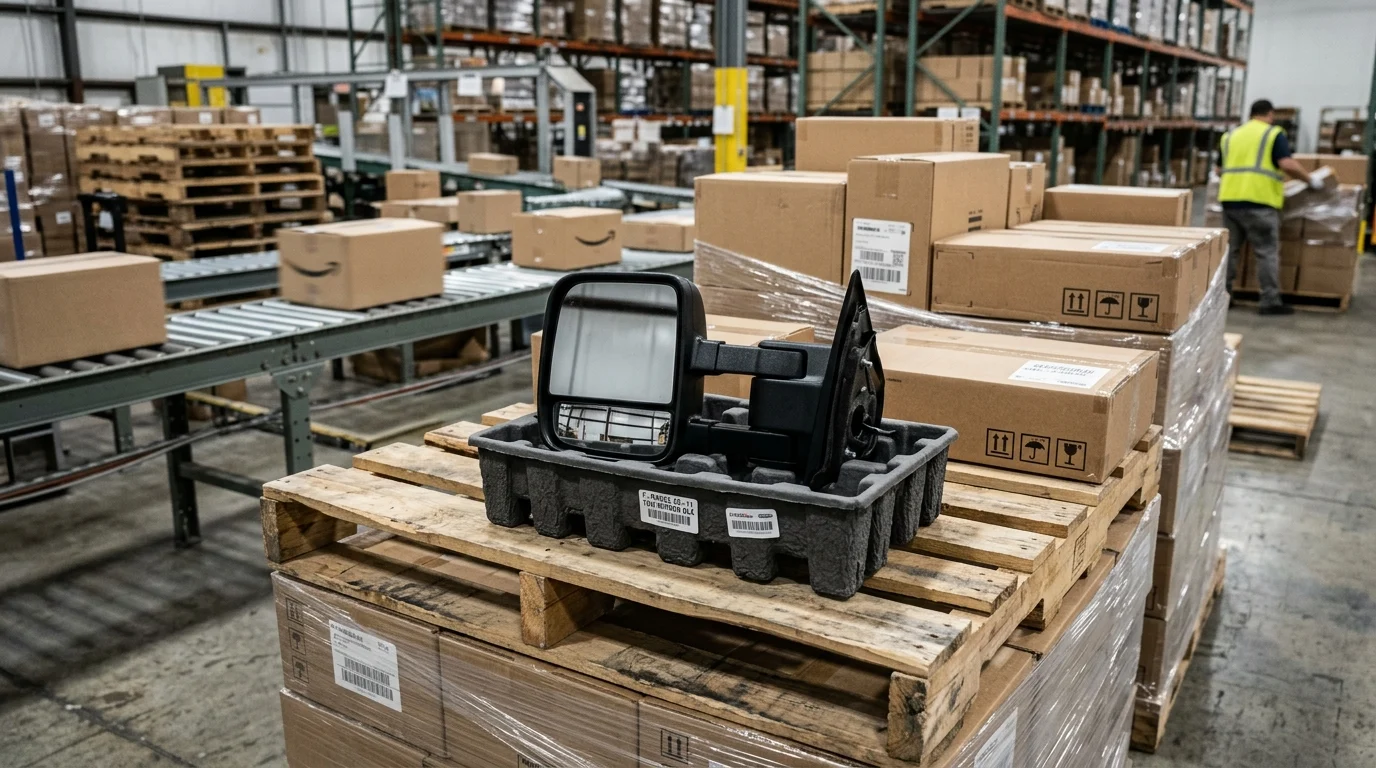
Maintaining clear rearward visibility while towing heavy equipment requires a mirror housing that can withstand harsh conditions without compromising optical stability. Upgrading the mirrors provides measurable improvements to rearward sightlines and overall towing safety.
Heavy-Duty Construction for Work Sites
Work sites and off-road tracks present a demanding operating environment characterized by high vibration, abrasive dust, and extreme ultraviolet exposure. To survive these conditions, premium towing mirrors utilize heavy-duty construction featuring reinforced internal brackets and high-impact plastic housings. The structural integrity is paramount; a weak internal bracket will cause the mirror glass to vibrate excessively on corrugated dirt roads, rendering the reflection useless.
Quality units are engineered with solid slide tracks that stay locked into position, preventing the mirror head from folding backward under aerodynamic load. Furthermore, the robust housing is designed to deflect minor impacts from branches and debris while offering superior resistance to UV degradation and water ingress, ensuring a long and reliable service life.
Extended Reach, Dual Glass, and Electric Adjustment
The optical configuration is arguably the most critical safety upgrade provided by these mirrors. The extended reach enables drivers to meet jurisdiction-specific compliance rules. Readers should always verify compliance with specific rearward visibility criteria, such as ADR 14/03 for Australian-market Rangers, alongside state-specific maximum vehicle-width limits, rather than assuming a universal standard.
To achieve this visibility, the mirrors employ the dual-glass setup summarized in the comparison table above. The large upper flat glass provides a true-to-distance view of the adjacent lanes and is fully adjustable via the Ranger’s factory electric cabin switch. Positioned below is a manually adjustable convex mirror, which provides a significantly wider field of view to eliminate blind spots immediately adjacent to the vehicle and trailer wheels. However, drivers must remember a crucial safety caveat: the lower convex glass distorts distance perception, meaning objects are closer than they appear. Adjusting to this difference is essential for safe highway lane changes and reversing into tight worksites.
Installation and Maintenance Tips
Despite their robust construction and advanced dual-glass mechanics, these towing mirrors are designed for straightforward installation and require only minimal ongoing maintenance to ensure optimal performance over thousands of hauling kilometers.
Direct Bolt-On Installation Steps
Fleet operators and independent contractors will appreciate the direct bolt-on design of these towing mirrors. While installation on pre-wired XLT double-cabs often avoids full interior door-panel removal, base XL single-cabs require custom wiring and full trim removal to route new harnesses. Using standard hand tools, the process is straightforward and can typically be completed in a single afternoon, depending on the installer’s experience.
The mirrors mount directly into the factory holes left by the original units, utilizing the
Key Takeaways
- Confirm your 2009–2011 Ford Ranger PK cab style, mirror functions, and 3-pin or 5-pin connector before buying a towing mirror.
- Choose a textured black ABS towing mirror if your Ranger is used on worksites, farms, or off-road tracks where scratches and UV exposure are common.
- Extend the mirror heads only when towing caravans, boats, or wide trailers to improve rearward visibility and reduce blind spots.
- Adjust manual slide-out mirrors only when the vehicle is stationary and parked safely away from traffic or active worksites.
- Retract towing mirrors when unloaded to reduce overall vehicle width, avoid clearance issues, and help maintain road compliance.
Frequently Asked Questions
Will this towing mirror fit a 2009–2011 Ford Ranger PK?
Yes, it is designed for the Ford Ranger PK from 2009 to 2011, including single, super, and dual cab body styles. Always confirm connector type and factory mirror features before ordering.
Is the mirror compatible with Mazda BT-50 models?
Many 2006–2011 Mazda BT-50 models share platform architecture with the Ford Ranger PJ/PK, so compatibility is often possible. Check fitment details, wiring pins, and mirror functions first.
Do I need a 3-pin or 5-pin towing mirror?
Match the replacement mirror to your factory connector. A 3-pin or 5-pin plug typically depends on whether your Ranger has power adjustment, heating, or indicator functions.
Can I install electric towing mirrors on a manual XL Ranger?
Not as a simple plug-and-play upgrade. Many base XL single-cab models lack door wiring for power mirrors, so custom electrical routing may be required.
Why choose a black textured towing mirror instead of chrome?
A textured black ABS finish better hides scratches, resists worksite scuffs, costs less to replace, and is generally more practical for commercial or off-road use.
Post time: Aug-05-2026