
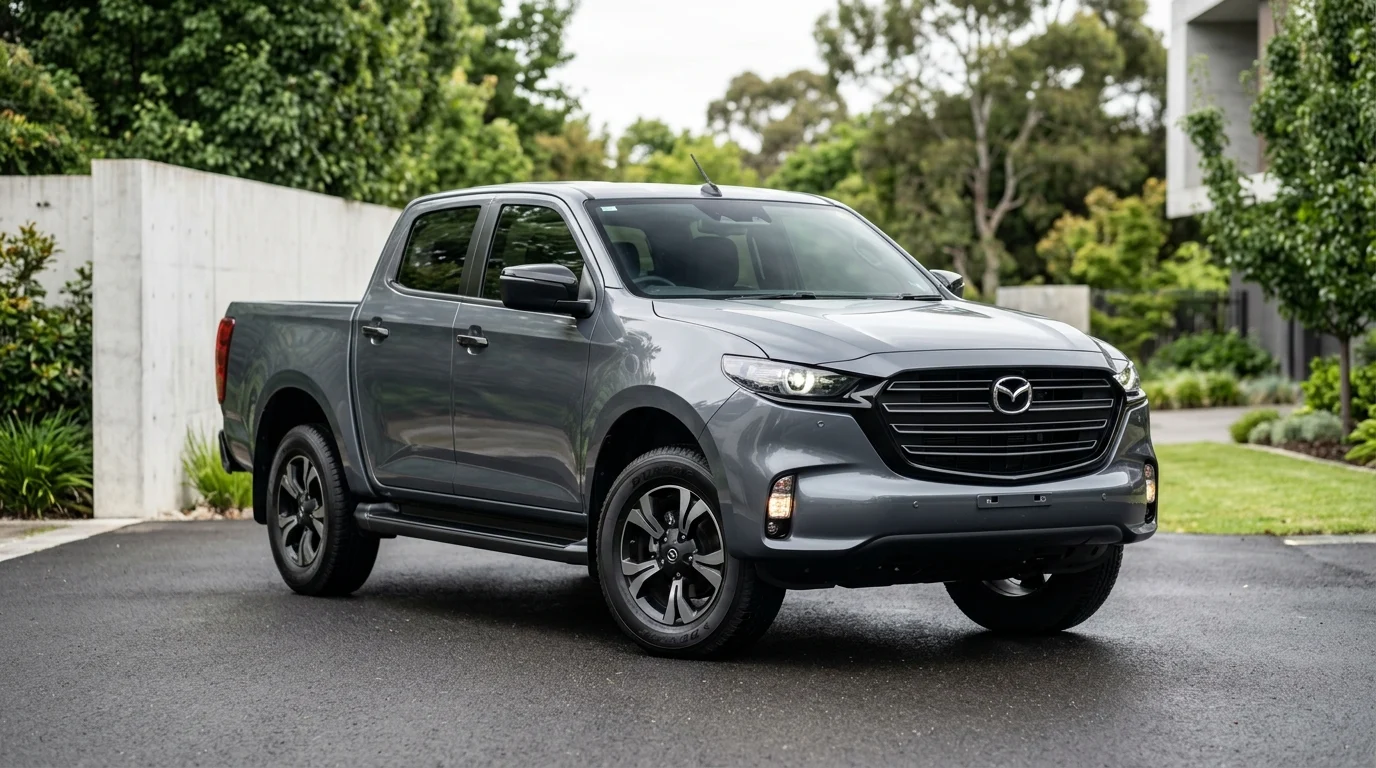
Why BT-50 Owners Upgrade to Towing Mirrors
If you have hitched a large caravan or heavy work trailer to your Mazda BT-50, you know the vehicle has the capacity to pull it. However, having the power to tow is only half the equation. When relying on standard factory mirrors, rearward visibility is significantly reduced. Upgrading to dedicated aftermarket towing mirrors—often listed generically under the 7235 product code for the 2012 to mid-2020 BT-50—improves how you handle your rig on the highway and at the campsite.
Factory mirror limitations when towing
Standard factory mirrors are built for daily commuting, not for hauling wide loads. When you hitch up a standard 2.5-metre-wide caravan or a bulky canopy trailer, stock mirrors lack the reach to see past the front edges of your load. This creates substantial blind spots, making highway lane changes difficult and reversing into a tight campsite challenging. Drivers often find themselves constantly leaning over the steering wheel just to catch a glimpse of the trailer wheels.
How 7235 towing mirrors improve visibility
Aftermarket towing mirrors listed under the 7235 code are engineered to address this lack of visibility. They feature a dual-glass design that provides a comprehensive rearward view. The upper flat glass acts as your primary rearview, offering an accurate distance perspective crucial for reversing, and it easily adjusts via your factory cabin switch. Meanwhile, the lower convex glass operates manually and provides an ultra-wide field of view, effectively minimizing blind spots down the side of your trailer. However, drivers should note an adjustment period for distance judgment, as the convex shape makes objects appear smaller and farther away than they actually are. Always rely on the upper flat glass for accurate distance judgment and reversing.
Key Mazda BT-50 7235 Towing Mirror Features
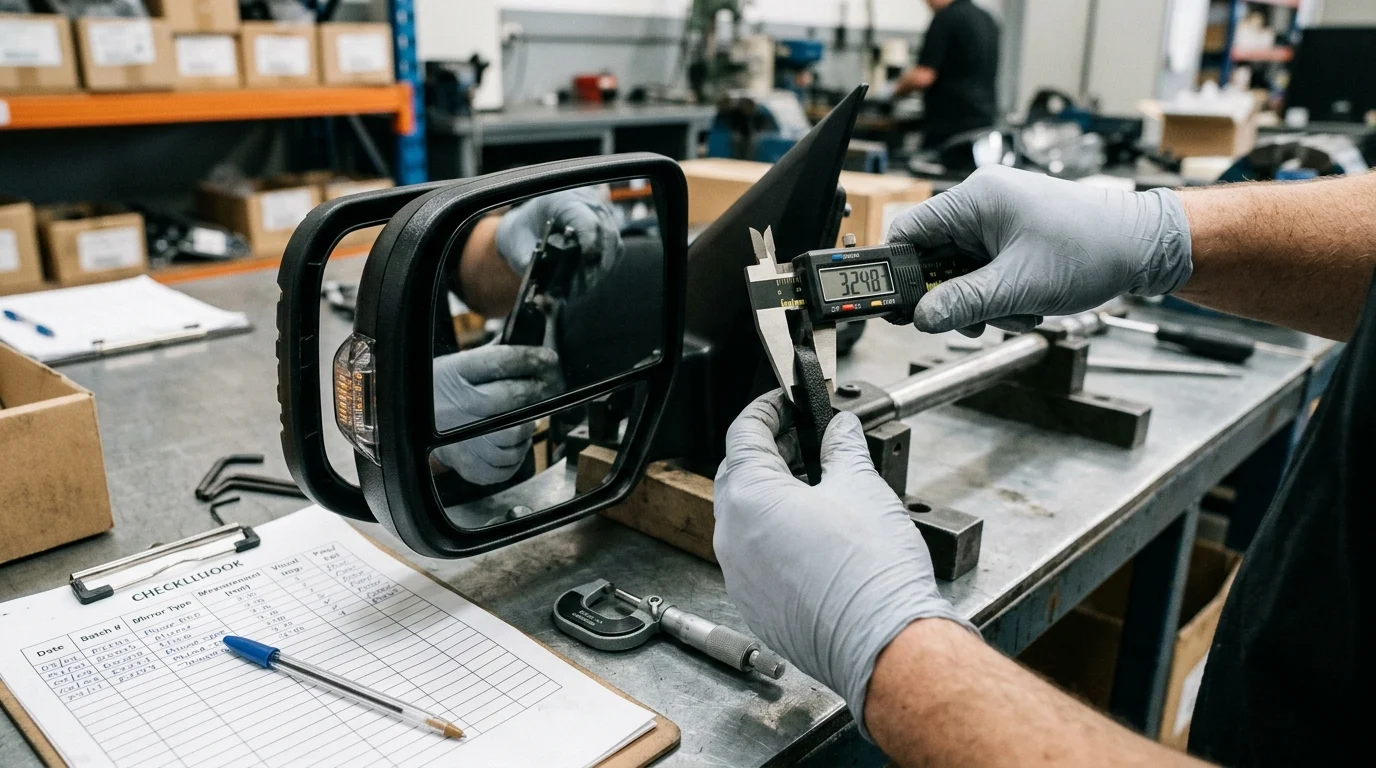
When shopping for aftermarket towing mirrors, the 7235-style models stand out for their rugged build and practical design. Here is a breakdown of what to expect when swapping out your stock units for these heavy-duty upgrades.
| Feature | Factory BT-50 Mirror | 7235 Towing Mirror |
|---|---|---|
| Glass Type | Single flat glass | Dual glass (Flat + Convex) |
| Extension Reach | Fixed position | ~100mm manual slide-out |
| Housing Material | Painted plastic/chrome | Heavy-duty textured ABS plastic |
| Towing Visibility | Poor (blind spots) | Excellent (full trailer view) |
Slide-out extension and black ABS housing
One of the most practical features of these towing mirrors is the extendable mechanism. When you hook up your trailer, you simply grab the mirror head and pull it outwards to utilize the manual slide-out design, which typically offers around 100 mm of extra reach. This extension gives you a clear line of sight down the entire length of your rig. Under Australian Design Rule (ADR) 43, rear-view mirrors are generally excluded from the 2.5-metre maximum vehicle width envelope, so drivers do not need to worry about the mirrors themselves breaching this limit. However, you will still need to push the mirrors back in for garage clearance, tight parking, and standard city driving. The slide mechanism is built tight, though drivers should note that any extended mirror may introduce slight wind noise or minor vibration at highway speeds. The textured black ABS plastic housing is durable and weather-sealed against dust and heavy rain.
Black versus chrome mirror options
While this product line includes both chrome and black variants, black towing mirrors are often the most practical choice for a hardworking Mazda BT-50. The textured black finish matches base-model factory trims and hides dirt, bug splatters, and minor scratch marks better than a high-shine chrome surface.
When budgeting for this upgrade, aftermarket pricing varies widely. Basic electric mirrors sit at a lower price point, while retaining or upgrading to features like integrated LED turn signals or heating will cost more. Always verify current retail prices with suppliers before purchasing. Furthermore, successfully retaining advanced features depends entirely on your base vehicle’s existing wiring. While the mirrors may feature a standard multi-pin connector, door harnesses and pin counts vary significantly by trim level. Base-model BT-50s often lack the necessary wiring looms, meaning these advanced features will require additional wiring work and are not strictly plug-and-play.
Installation, Maintenance, and Buying Checks
Upgrading your mirrors does not necessarily mean spending a fortune at the auto electrician. These aftermarket towing mirrors are designed to be user-friendly for installation and long-term upkeep.
Direct factory-mount installation steps
Unlike simpler clip-on mirrors, installing full replacement towing mirrors for the BT-50/Ranger platform requires interior door panel removal to access the mounting bolts and wiring harness. Before beginning, it is highly recommended to disconnect the vehicle’s battery to protect the electrical system. You can tackle this installation in your driveway using a basic socket set and a set of plastic trim removal tools. These mirrors are a direct bolt-on replacement that utilizes your Mazda’s factory mounting holes, meaning no drilling is required. They typically feature a standard multi-pin connector for basic electric adjustment, making it a plug-and-play job for compatible trims.
Under Australian Consumer Law, fitting aftermarket mirrors does not automatically void your manufacturer’s warranty; however, any damage caused during an improper installation will not be covered. Depending on your trim level, expect the job to take about one to two hours for the pair. To keep them sliding smoothly, clean the slide tracks regularly and apply a dry silicone lubricant annually.
ADR compliance and final fitment checks
Before purchasing, you must verify your BT-50′s generation. The 7235-style towing mirrors are built specifically for the UP and UR series, covering models from 2012 to mid-2020 (which share a platform with the Ford Ranger PX). They will not fit the 2021 and newer TF series, as the Isuzu-based platform uses entirely different mounting points. Finally, check with your specific manufacturer or supplier to confirm their mirrors meet strict safety standards.
Key Takeaways
- Upgrade from factory mirrors if your Mazda BT-50 tows a caravan or wide trailer, because standard mirrors often cannot see past a 2.5-metre-wide load.
- Use the 7235 towing mirror’s roughly 100 mm manual slide-out extension when towing to improve visibility along the full trailer length.
- Rely on the upper flat mirror glass for accurate distance judgment, especially when reversing into campsites or tight driveways.
- Use the lower convex glass to monitor blind spots beside the trailer, but remember that it makes objects appear smaller and farther away.
- Confirm your BT-50 model year, trim, and mirror plug compatibility before ordering a 7235-style replacement mirror.
Frequently Asked Questions
Will 7235 towing mirrors fit a Mazda BT-50 from 2012 onward?
The 7235-style black towing mirror is commonly listed for Mazda BT-50 models from 2012 to mid-2020. Always confirm fitment against your exact year, trim, and mirror plug configuration before ordering.
Why are factory BT-50 mirrors not ideal for towing?
Factory mirrors are designed for normal driving, not wide caravans or bulky trailers. They often cannot see past a 2.5-metre-wide load, creating blind spots during lane changes, reversing, and campsite manoeuvres.
How much extra reach do 7235 towing mirrors provide?
These mirrors typically use a manual slide-out design that adds about 100 mm of extra reach, helping the driver see down the full length of the trailer or caravan.
What is the benefit of dual-glass towing mirrors?
The upper flat glass gives a more accurate distance view for normal driving and reversing, while the lower convex glass provides a wider field of view to help reduce blind spots beside the trailer.
Can I adjust the towing mirror glass from inside the cabin?
On compatible 7235 mirrors, the upper flat glass generally adjusts using the factory cabin switch. The lower convex glass is usually adjusted manually.
Post time: Jul-20-2026