
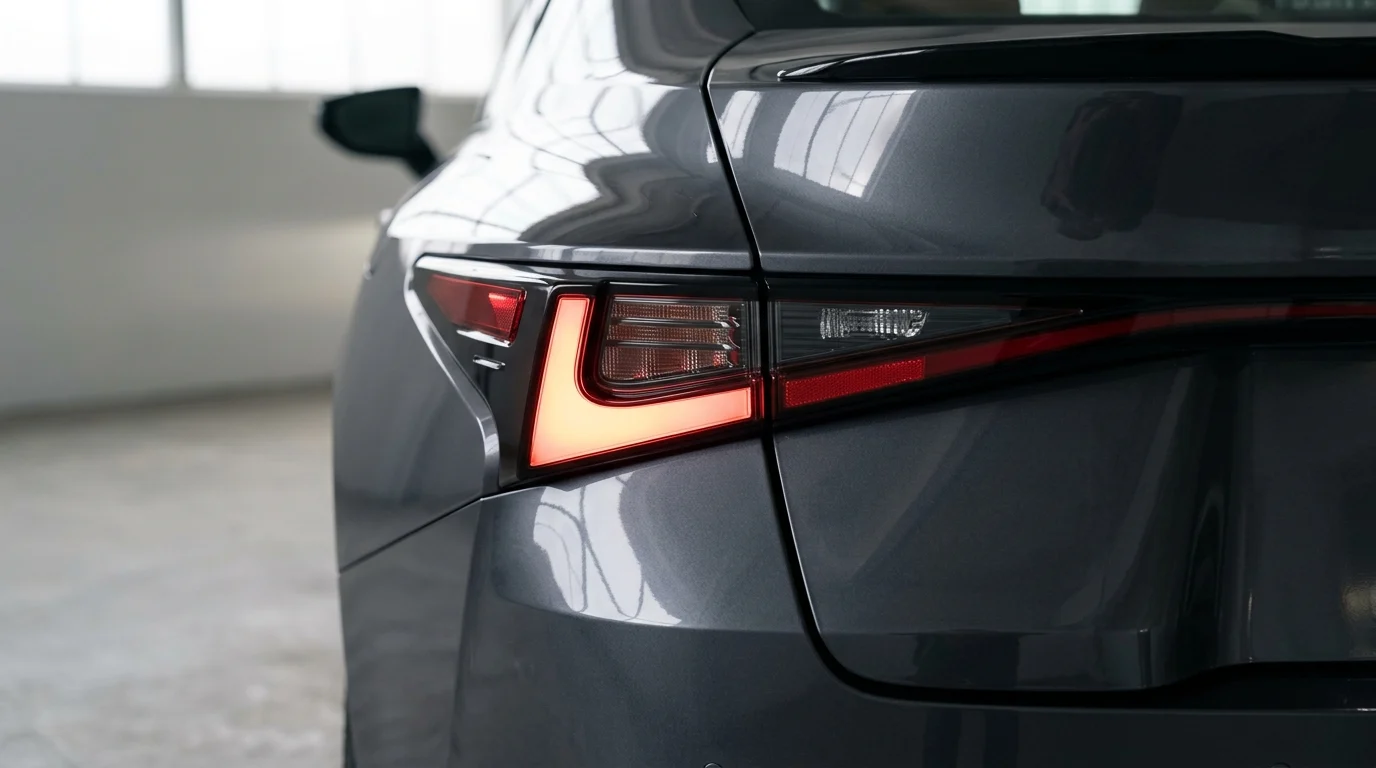
Why Cheap LED Tail Lights Can Leak
When replacing a damaged tail light on your 2019–2023 Chevrolet Silverado 1500 (specifically those equipped with factory LEDs), the temptation to purchase a low-cost aftermarket copy is high. However, these budget alternatives often compromise on critical engineering tolerances. To make an informed decision, it helps to understand the distinct pricing tiers in the replacement market:
- Genuine GM: Dealer-boxed housings offering exact factory specifications and warranties.
- OES (Original Equipment Supplier): Brands like ACDelco that provide the same physical part and quality without the dealership markup.
- Certified Aftermarket: Reputable mid-tier brands (e.g., TYC) that meet strict DOT/SAE standards.
- Ultra-Budget Copies: Unbranded, uncertified generic units that should be avoided.
While certified aftermarket brands or recycled OEM parts offer excellent mid-tier alternatives, ultra-cheap copies sacrifice material quality for a lower upfront price. This exposes your truck to unnecessary complications, turning a simple repair into a frustrating process involving water damage and electrical system faults.
Poor Gaskets, Misaligned Housings, and Weak Seals
The primary failure point in budget LED tail lights is inferior sealing technology. Cheap copies frequently utilize thin, low-density foam gaskets and misaligned housings resulting from degraded manufacturing molds. Additionally, the sonic welding joining the polycarbonate lens to the ABS housing is often inconsistent. Once this seal fails, moisture inevitably seeps into the assembly. Over time, exposure to rain or high-pressure car washes can lead to internal condensation. It is important to distinguish between minor, temporary fogging—which can occur even with quality units during initial atmospheric pressure equalization—and true seal failure, which results in heavy water pooling. This pooling quickly corrodes the unprotected printed circuit boards (PCBs) and LED diodes, leading to permanent electrical failure. Unlike factory units, these generic assemblies lack proper venting membranes, meaning trapped moisture cannot escape. Because modern LED tail lights are sealed, non-serviceable units, a single failed LED chip means the entire housing must be replaced, making moisture prevention critical.
How Non-OE Copies Can Trigger BCM Issues
Beyond physical water leaks, substandard electronics in uncertified copies can trigger BCM (Body Control Module) fault codes. Modern trucks utilize advanced BCM bulb monitoring systems to detect lighting failures. For 2019–2023 Silverado 1500 models equipped with factory LEDs, the system relies on precise current-sensing thresholds and pulse-width modulation (PWM) rather than legacy halogen-mimicking load resistors. Cheap aftermarket units often fail to match these specific electrical parameters. Consequently, the BCM detects an irregularity and triggers a false “bulb out” dashboard warning. Furthermore, this electrical mismatch frequently causes hyperflashing, where the turn signal blinks at over 120 flashes per minute instead of staying within the federal FMVSS 108 requirement of 60 to 120 flashes per minute. Certified mid-tier aftermarket brands successfully meet these SAE/DOT and CANbus standards, making them a viable alternative to ultra-budget copies.
How OE LED Tail Lights Improve Reliability
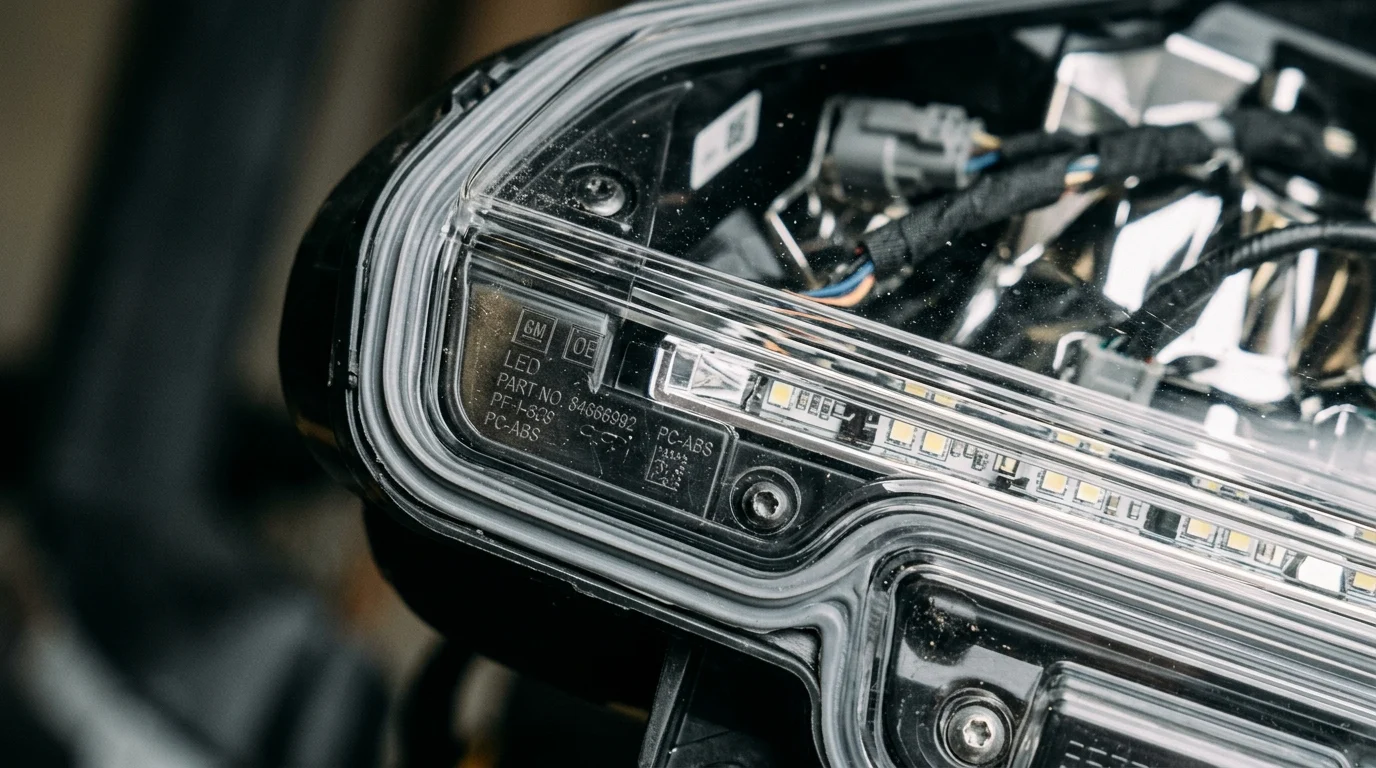
Upgrading to a reliable replacement requires understanding the different parts available. As outlined earlier, dealer-boxed Genuine GM parts and OES units represent the highest standard of direct replacements. By adhering to strict original equipment manufacturing standards, true OE and high-tier OES units utilize premium materials, including UV-stabilized ABS plastic housings and anti-yellowing polycarbonate lenses. This focus on durable materials and precise fitment ensures long-term reliability and consistent optical performance, eliminating the structural and electronic vulnerabilities inherent in budget copies.
Precision EPDM Gaskets and IP65/IP67 Waterproofing
To combat moisture intrusion, OE-quality tail lights rely on precision-molded EPDM (Ethylene Propylene Diene Monomer) rubber gaskets. EPDM maintains its elasticity and sealing properties across extreme temperature fluctuations, ensuring a watertight fit against the truck bed. Rather than just asserting generic aftermarket IP codes, these units are validated to strict GM weather-sealing specifications to withstand heavy rain and submersion risks. Coupled with engineered venting patches that allow heat to escape while blocking liquid water, this robust sealing architecture equalizes internal pressure. This prevents the negative-pressure (vacuum) suction that often draws moisture into cheaper, unvented housings.
OE-Spec Circuits, Load Matching, and FMVSS Compliance
Electronically, an OE-spec LED tail light is designed for flawless CANbus compatibility. The internal circuitry features factory-spec voltage regulation and precise current matching, ensuring the electrical draw aligns perfectly with the Silverado’s factory LED parameters. This prevents hyperflash and keeps your dashboard free of error codes without relying on outdated external load resistors. Furthermore, these units comply fully with FMVSS 108 and SAE standards, guaranteeing that brake, turn, reverse, and running light beam patterns meet strict federal visibility requirements.
| Silverado 1500 Trim / Feature | Compatibility & Fitment Note |
|---|---|
| RST / Trail Boss | Factory LED compatible; verify exact wiring harness prefix |
| Blind-Spot Monitoring (SBZA) | Ensure harness compatibility; radar sensors are mounted behind the bumper, not inside the tail light housing |
| Trailer Light Check Circuit | Must meet factory resistance to avoid false dashboard warnings |
| Base / Work Truck (Halogen) | Not plug-and-play; requires a specific conversion harness with resistance-matching |
What to Check Before Buying and Installing
Securing a reliable replacement requires strict attention to fitment data and physical product characteristics. Be aware that online “OE” listings often include counterfeit GM or ACDelco parts. Always verify authorized distribution channels and exact part-number prefixes—Genuine GM part numbers typically follow specific 8-digit formats, while ACDelco OES parts often carry their own distinct alphanumeric codes. Knowing how to decode these prefixes helps you verify tier authenticity online. Even the highest-quality tail light will fail if it is forced into the wrong mounting cavity or installed without proper surface preparation.
Confirming Silverado 1500 Fitment
Before purchasing, you must confirm exact fitment for the Chevrolet Silverado 1500 spanning the 2019 to 2023 model years. An OE-spec unit acts as a direct plug-and-play replacement only for trucks already equipped with factory LEDs, utilizing the original mounting bolts and factory electrical connectors. As outlined in the fitment table above, halogen-based trucks require a specific conversion harness, and HD models (2500/3500) use entirely different housings.
相关阅读:style.css
Key Takeaways
- Choose an OE or certified replacement tail light for 2019–2023 Silverado 1500 factory LED models to reduce the risk of leaks, error codes, and premature failure.
- Avoid ultra-budget unbranded copies because poor gaskets, weak lens welds, and misaligned housings can let water reach the LED boards.
- Do not ignore heavy water pooling inside a sealed LED tail light, because one failed LED or corroded PCB typically means the entire housing must be replaced.
- Use a tail light that matches factory LED electrical parameters so the BCM does not trigger false bulb-out warnings or turn-signal hyperflashing.
- Confirm DOT/SAE compliance and vehicle fitment before buying, especially the side, connector, trim, and factory LED configuration.
Frequently Asked Questions
Will this OE LED tail light fit every 2019–2023 Silverado 1500?
It is intended for Chevrolet Silverado 1500 models from 2019–2023 that came equipped with factory LED tail lights. Always match the side, trim, and connector style before ordering.
Why do cheap LED tail light copies often leak?
Ultra-budget copies may use thin gaskets, inconsistent sonic welds, poor venting, and misaligned housings. These weak points allow moisture to enter and can damage LEDs and internal circuit boards.
Can a non-OE tail light cause dashboard error messages?
Yes. If the replacement does not match the truck’s factory LED current-sensing and PWM requirements, the Body Control Module may detect a fault and trigger bulb-out warnings or hyperflashing.
What is hyperflashing on a Silverado turn signal?
Hyperflashing is an abnormally fast turn signal blink rate, often caused by incorrect electrical resistance or current draw. Federal FMVSS 108 requires turn signals to flash between 60 and 120 times per minute.
Is light condensation always a sign of failure?
Not always. Minor temporary fogging can occur during pressure equalization. Heavy water pooling, persistent condensation, or visible droplets usually indicate a failed seal and require replacement.
Post time: Jul-24-2026